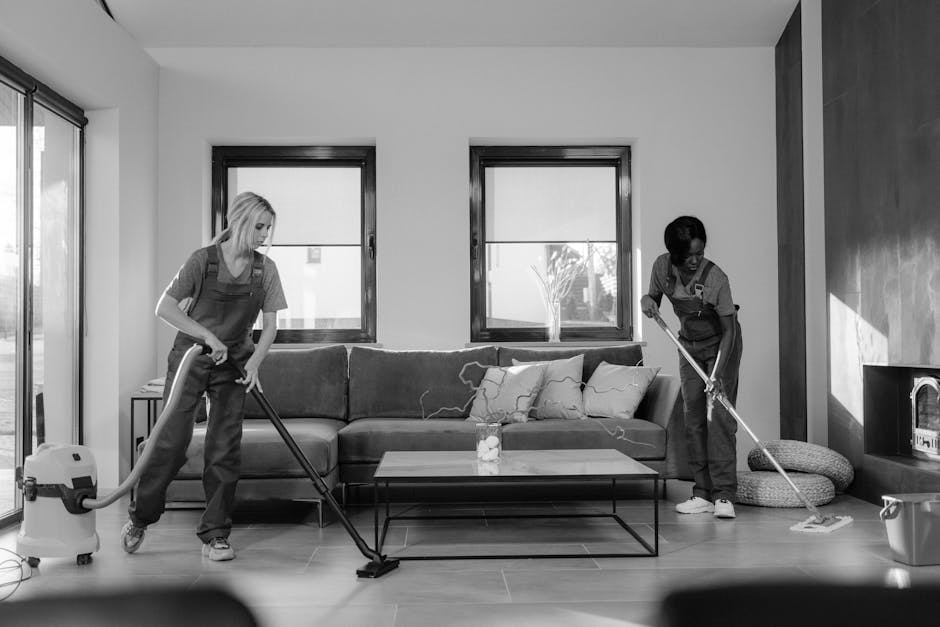
End of tenancy cleaners on King Street Hammersmith: a practical guide to a smoother move-out
If you are moving out of a flat or house near King Street in Hammersmith, the cleaning can feel like the last mountain to climb. Boxes everywhere, keys to hand back, a few marks on the skirting boards, and that nagging thought in the back of your mind: will the place pass inspection? That is where End of tenancy cleaners on King Street Hammersmith come in. They are there to help you leave the property in the kind of condition landlords, letting agents, and inventory clerks expect at the end of a tenancy.
Done properly, end of tenancy cleaning is not just a quick once-over with a vacuum. It is a targeted, room-by-room deep clean that focuses on the details people often miss when they are busy moving. In this guide, you will find a clear explanation of how it works, what a good service should cover, what to check before booking, and how to avoid the common mistakes that cost tenants time, stress, and sometimes money. Let's make it simple.
Table of Contents
- Why End of tenancy cleaners on King Street Hammersmith Matters
- How End of tenancy cleaners on King Street Hammersmith Works
- Key Benefits and Practical Advantages
- Who This Is For and When It Makes Sense
- Step-by-Step Guidance
- Expert Tips for Better Results
- Common Mistakes to Avoid
- Tools, Resources and Recommendations
- Law, Compliance, Standards, or Best Practice
- Options, Methods, or Comparison Table
- Case Study or Real-World Example
- Practical Checklist
- Conclusion
- Frequently Asked Questions
Why End of tenancy cleaners on King Street Hammersmith Matters
End of tenancy cleaning matters because move-out inspections are rarely forgiving. A room might look tidy to the eye, but small issues can still stand out under bright daylight, in photos, or during an inventory check. Think of limescale on taps, grease on the oven door, dust on top of wardrobe rails, or those little scuffs around switches and door frames that only become obvious when the furniture is gone. The property suddenly tells a different story.
King Street is a busy, lived-in part of Hammersmith, with a mix of flats, converted buildings, and rental homes that often see frequent tenant changes. That makes consistency important. A landlord is not looking for "nearly clean"; they are usually looking for a property that is ready for the next occupant without a lot of remedial work. And to be fair, that is a fair expectation when the tenancy has ended.
A proper end of tenancy clean also reduces friction at handover. If there is less to question at checkout, there is less room for arguments about deposits, extra charges, or whether the place was left in acceptable condition. You do not always get a second chance at the final inspection, so it pays to do it right the first time.
Expert summary: A good move-out clean is less about making the property "look nice" and more about removing the evidence of day-to-day living: grease, dust, soap residue, marks, hair, and built-up grime in the places people forget.
How End of tenancy cleaners on King Street Hammersmith Works
The process usually starts with a walkthrough or a detailed quote based on the size and condition of the property. This is where the cleaner or cleaning company decides how much time, equipment, and manpower will be needed. A studio flat with light use is one thing; a two-bedroom flat with baked-on oven residue and a heavily used bathroom is another entirely. Same postcode, very different job.
Most professional end of tenancy cleans follow a room-by-room structure. Kitchens get special attention because that is where inspection issues often appear first. Bathrooms need sanitising and descaling. Bedrooms and living spaces require dust removal, surface cleaning, and floor care. Windows, skirting boards, sockets, doors, and handles are often included as part of the deep-clean standard, though the exact scope should always be checked before booking.
On the day, cleaners usually arrive with their own materials and equipment, although some companies may ask for access details or certain utilities to be available. Good communication helps. If the property has tricky access, parking limits, or a narrow stairwell, mention it early. That saves everyone a headache, especially if you are moving out during a tight turnaround.
It is also common for end of tenancy cleaning to be paired with add-on tasks such as carpet cleaning, upholstery cleaning, or oven detailing. Whether you need those extras depends on your tenancy agreement and the property condition. Not every move-out requires everything. The trick is matching the service to the actual handover standard, not guessing.
Key Benefits and Practical Advantages
The biggest advantage is peace of mind. When the final clean is handled properly, you can focus on the move itself rather than worrying about whether the bathroom sink still has a faint ring or whether the freezer has been fully defrosted. That mental relief is not small. Moving is tiring enough.
There are also practical benefits that make a real difference:
- Better inspection readiness: the property is cleaned to a standard that suits checkout expectations.
- Less stress on moving day: you are not trying to clean while packing, carrying boxes, and returning keys.
- More consistent results: professional cleaners work to a checklist, so important areas are less likely to be missed.
- Time saved: what might take you an entire evening, a cleaner may handle efficiently with the right tools.
- Cleaner handover impression: first impressions still matter, even when the tenancy is ending.
Another often-overlooked advantage is that a good clean can help separate ordinary wear and tear from avoidable neglect. Nobody expects a property to look brand new after a tenancy. But there is a difference between lived-in and left-behind. That line matters, especially when checking inventory photos and handover notes later on.
If you are comparing providers, it can help to review their pricing and quote approach alongside what is included in the clean. Sometimes the cheapest option looks fine until you notice it excludes key tasks like inside cabinets or appliance cleaning. Bit of a trap, that.
Who This Is For and When It Makes Sense
End of tenancy cleaning is most useful for tenants who are about to leave a rented property, but it can also matter for landlords, letting agents, and property managers preparing for new occupants. If the property is being re-let quickly, cleanliness becomes part of the turnaround plan. A fresh tenancy should start clean, not "clean enough" after a rushed tidy-up.
It makes particular sense if any of the following apply:
- You have been in the property for more than a few months and normal use has built up grime.
- The kitchen or bathroom has stubborn marks, scale, grease, or limescale.
- You are moving on a tight deadline and cannot spare half a day to scrub everything yourself.
- The inventory at check-in was detailed, so the checkout will likely be detailed too.
- You want to reduce the chance of cleaning-related deductions or disputes.
It is also worth considering if you are already dealing with the chaos of moving out of a place on King Street itself, where access, bins, parking, and timing can add a layer of hassle. A proper cleaner can take one big job off the list. That sounds simple, but it can change the whole day.
For people who need a provider they can trust on policies, safety, and service standards, it may be helpful to learn more about the company's background and approach before booking.
Step-by-Step Guidance
If you want the clean to go smoothly, the best approach is to plan it rather than leaving everything to the last minute. Here is a straightforward way to handle it.
- Review your tenancy agreement. Look for cleaning expectations, carpet clauses, and any appliance requirements. Keep it practical, not panic-driven.
- Walk through the property room by room. Make a note of problem areas such as oven grease, shower limescale, dusty blinds, or marks on walls and doors.
- Decide what needs professional help. Some tasks are easy to handle yourself, but ovens, bathrooms, and heavy limescale often take more effort than they first appear to.
- Book with enough time before checkout. If possible, schedule the cleaning after packing but before the final inventory visit. That way the property stays clean for longer. Sounds obvious, but people still leave it too late.
- Prepare access and utilities. Make sure water, electricity, and entry arrangements are in place so the team can work properly.
- Remove personal items first. Cleaners should not have to work around leftover food, clothes, toiletries, or a mystery drawer full of chargers.
- Request a final inspection checklist. A good provider should be able to explain what was covered, and you can compare that against the property's condition.
- Do a quick final walkthrough. Check obvious spots such as sinks, corners, fridge seals, extractor areas, and behind taps.
The process is not complicated, but it does benefit from a bit of order. The cleaner the handover, the less likely you are to be caught off guard by a small issue on the day.
Expert Tips for Better Results
In our experience, the best move-out cleans happen when the tenant and cleaner are working from the same picture of "finished." That means no guesswork. Be clear about what matters most, especially if there are any problem areas or items that have seen heavy use.
Tip 1: Cleaners can work faster and better when clutter is removed first. If cupboards are empty and surfaces are clear, they can focus on the actual cleaning rather than lifting and shifting your belongings.
Tip 2: Photograph the property before and after the clean. You may never need the photos, but if a question comes up later, it is useful to have a simple record.
Tip 3: Pay close attention to the kitchen and bathroom. These two areas tend to drive most inspection comments. A slightly dull hallway is one thing; a greasy oven or mouldy sealant is another.
Tip 4: If the property has older fixtures, treat them gently. Harsh scrubbing can damage surfaces and make things look worse. A steady hand and the right products usually beat brute force.
Tip 5: Ask about insurance and safety practices. Professional cleaners should work carefully around electrical points, slippery floors, and fragile surfaces. You want thorough, yes, but you also want sensible.
If you value transparency, it is worth checking the company's insurance and safety information and its health and safety policy. Those pages tell you a lot about how seriously a business handles its work.
One more thing. If the oven looks beyond salvation, do not try to "sort it quickly" with a random abrasive sponge five minutes before the clean. You may just polish the grime into a more stubborn state. Happens more than you'd think.
Common Mistakes to Avoid
The most common mistake is assuming a standard tidy-up will pass as end of tenancy cleaning. It rarely does. A surface may look neat, but tenancy inspections are usually more exacting than a normal housekeeping check. Dust behind radiators, residue in the shower tray, and grease on cupboard fronts are the usual troublemakers.
Another mistake is leaving the booking too late. Move-out weeks are busy, and cleaning slots can disappear quickly, especially when several tenants are trying to leave around the end of the month. If you know your date, book early.
Other avoidable errors include:
- Not reading the cleaning clause in the tenancy agreement.
- Forgetting about hidden areas like behind appliances or inside drawers.
- Assuming the service includes every possible task without asking.
- Leaving damaged items unresolved and expecting cleaning alone to fix them.
- Failing to mention parking, access codes, or stair access in advance.
Also, do not confuse cleaning with repairs. Scuffed paint, broken fittings, and chip damage usually fall into a different category. A cleaner can make them less noticeable in some cases, but they are not the same thing. Worth keeping that straight.
Tools, Resources and Recommendations
You do not need a cupboard full of gadgets to manage a move-out clean well, but a few practical items and checks help enormously. If you are doing any part of the work yourself before or after the professional clean, the basics are usually enough: microfiber cloths, a decent vacuum, gloves, a limescale remover suitable for the surface, and a non-abrasive sponge for sensitive finishes.
For a better outcome, focus less on collecting products and more on using the right process:
- Work from top to bottom so dust falls onto areas you have not done yet.
- Use separate cloths for kitchen and bathroom areas.
- Ventilate rooms while cleaning, especially if products have a strong smell.
- Test cleaners on a small hidden patch before using them widely.
- Keep one final bag or box aside for last-minute rubbish and forgotten items.
From a service perspective, useful pages to review before you book include pricing and quotes, payment and security, and terms and conditions. They help set expectations around what is included, how payments are handled, and what happens if there are changes to the job.
And if you care about broader business values, it is reasonable to look at a company's recycling and sustainability approach. It may not decide the cleaning result, but it does tell you something about operational habits. Small detail, maybe. Still worth knowing.
Law, Compliance, Standards, or Best Practice
End of tenancy cleaning itself is not usually a regulated trade in the way some other services are, but good practice matters a great deal. In the UK rental context, the key is often evidence, fairness, and clear communication rather than grand promises. If a tenancy agreement sets out expectations, those terms should be understood before the property is handed back.
Best practice usually includes:
- Using a documented cleaning checklist.
- Being clear about what is included and what is not.
- Handling keys, entry, and access responsibly.
- Working safely around appliances, water, glass, and electrical fittings.
- Respecting the tenant's privacy and property.
It is also wise to choose a business that explains its procedures clearly. Pages such as privacy policy, complaints procedure, and accessibility statement can reassure you that the company pays attention to the wider customer experience, not just the cleaning itself.
If you are a tenant, remember that a professional clean does not replace your own responsibility to return the property in a reasonable condition. If you are a landlord or agent, consistency and clarity reduce disputes. That is the real-world standard, plain and simple.
Options, Methods, or Comparison Table
Not every move-out job needs the same approach. Some people want a full professional service. Others only need targeted help with the worst areas. The right option depends on the property, the timeline, and how much you can realistically do yourself.
| Option | Best for | Strengths | Possible drawbacks |
|---|---|---|---|
| Full end of tenancy clean | Most rented properties at checkout | Broad coverage, consistent finish, less stress | Higher cost than doing it yourself |
| Targeted deep clean | Properties with a few problem rooms | Focused on the hardest areas, flexible | May not satisfy a full inventory standard if the rest is neglected |
| DIY clean | Very tidy properties or tight budgets | Lower direct spend | Time-consuming, easy to miss details, physically tiring |
| Hybrid approach | Tenants who can prep but need pro finishing | Good value, practical, efficient | Requires good planning and clear task split |
Truth be told, the hybrid approach works well for many people. You clear the clutter, wipe the obvious marks, and leave the tougher work to the professionals. That often gives a cleaner result without paying for unnecessary extras. Handy, especially at the end of a busy moving week.
Case Study or Real-World Example
A common scenario goes like this. A tenant in a two-bedroom flat near King Street has already moved most of their belongings out by Friday evening. The place looks fairly tidy, but the kitchen has greasy extractor marks, the bathroom has limescale on the taps, and there is fine dust on skirting boards that only becomes obvious in natural light from the windows. Nothing dramatic. Just enough to matter.
Rather than trying to do everything at midnight before handover, the tenant books an end of tenancy clean with clear instructions: kitchen first, bathroom detail, then general surfaces and floors. They also mention that the property has limited parking and a narrow staircase. That tiny bit of upfront detail helps the day go smoother.
On the day, the cleaner focuses on the problem areas, uses appropriate products for the surfaces, and works methodically through the rooms. The final walkthrough feels calmer because the big issues have been handled. No drama, no frantic wiping while balancing a toolbox and a coat hanger. Just a straightforward handover.
The lesson is simple: the best results usually come from clear communication, realistic timing, and a proper checklist. Not magic. Just good process.
Practical Checklist
Use this checklist before the cleaner arrives, or before you hand the property back if you are doing some of it yourself.
- All personal items removed from cupboards, drawers, shelves, and storage areas.
- Kitchen surfaces cleared and appliances accessible.
- Fridge and freezer emptied and defrosted if required.
- Bathroom items packed away and surfaces reachable.
- Bins emptied and rubbish removed from the property.
- Floors accessible for vacuuming and mopping.
- Windows, blinds, and curtains checked where included.
- Light fittings, switches, and door handles wiped down.
- Oven, hob, and extractor cleaned or booked as part of the service.
- Any stains, marks, or damage noted separately.
- Keys, access arrangements, and any alarm details confirmed.
- Final inventory timing checked against the cleaning schedule.
Quick reminder: if you are not sure what is included, ask before the job begins. It is far easier to clarify than to argue later.
Conclusion
End of tenancy cleaning on King Street in Hammersmith is really about making the final handover calm, fair, and predictable. A good clean can reduce stress, support a smoother inspection, and help the property feel properly finished rather than hurriedly abandoned. That is the goal, after all.
If you choose carefully, plan ahead, and make sure the scope is clear, the whole process becomes much more manageable. You do not need perfection. You need a thorough, honest, well-organised clean that matches the property and the tenancy expectations. And that is absolutely achievable.
Get a free quote today and see how much you can save.
When the moving boxes are gone and the rooms are quiet again, it is nice to know the last job has been handled with care. That small bit of closure matters more than people think.
Frequently Asked Questions
What do end of tenancy cleaners on King Street Hammersmith usually include?
Most services include a deep clean of kitchens, bathrooms, living areas, bedrooms, floors, surfaces, skirting boards, and common touchpoints such as switches and handles. Some items, like ovens or carpets, may be included or offered as extras depending on the provider.
How far in advance should I book an end of tenancy clean?
It is sensible to book as soon as you know your move-out date. End of month periods can be busy, and leaving it too late makes it harder to fit the clean around key handover times and inventory appointments.
Do I need to be present during the cleaning?
Usually, no. Many tenants prefer to hand over access and return later for a final check. If you are not there, make sure access instructions are clear and that anything personal has been removed beforehand.
Will a professional clean guarantee my deposit back?
No cleaner can honestly guarantee that. Deposit outcomes depend on the tenancy agreement, the property's condition, any damage, and the final inventory comparison. A good clean does, however, reduce the chance of cleaning-related disputes.
What is the difference between regular cleaning and end of tenancy cleaning?
Regular cleaning keeps a property tidy on an ongoing basis. End of tenancy cleaning is much more detailed and focuses on areas that are easy to overlook, including inside cupboards, behind appliances, and around fixtures that may have built up grime over time.
Should I clean before the cleaners arrive?
Yes, if you can. Removing personal items, rubbish, and clutter makes the job much more efficient. You do not need to deep clean every surface yourself, but a clear property gives better results.
What if the property has damage as well as dirt?
Cleaning can improve the appearance of some marks, but it will not repair broken fittings, chipped surfaces, or damaged paintwork. It is better to separate cleaning issues from repair issues so you know what to raise with the landlord or letting agent.
Are carpets and upholstery always included?
Not always. Some providers include them as optional extras, while others treat them as separate services. If carpets are part of your tenancy expectations, ask about them in advance so there are no surprises.
How do I know if a cleaning company is trustworthy?
Look for clear information about their process, pricing, insurance, safety practices, privacy handling, and complaints procedure. A business that explains these things openly usually gives a better sense of professionalism and accountability.
What should I do if I'm unhappy after the clean?
Contact the provider as soon as possible and explain the issue clearly. A proper complaints process should tell you how to raise a concern and what the next steps are. Keep your notes and photos handy if you have them.
Can I combine a tenancy clean with other services?
Often, yes. Depending on the provider, you may be able to combine end of tenancy cleaning with carpet cleaning, oven cleaning, or other deep-clean tasks. It is worth asking what is available so you can plan one efficient visit instead of several separate ones.
Is end of tenancy cleaning useful for landlords too?
Absolutely. Landlords and property managers often need a reliable turnaround between tenants. A structured end of tenancy clean helps prepare the property for viewing, inventory checks, and the next tenancy without unnecessary delay.